
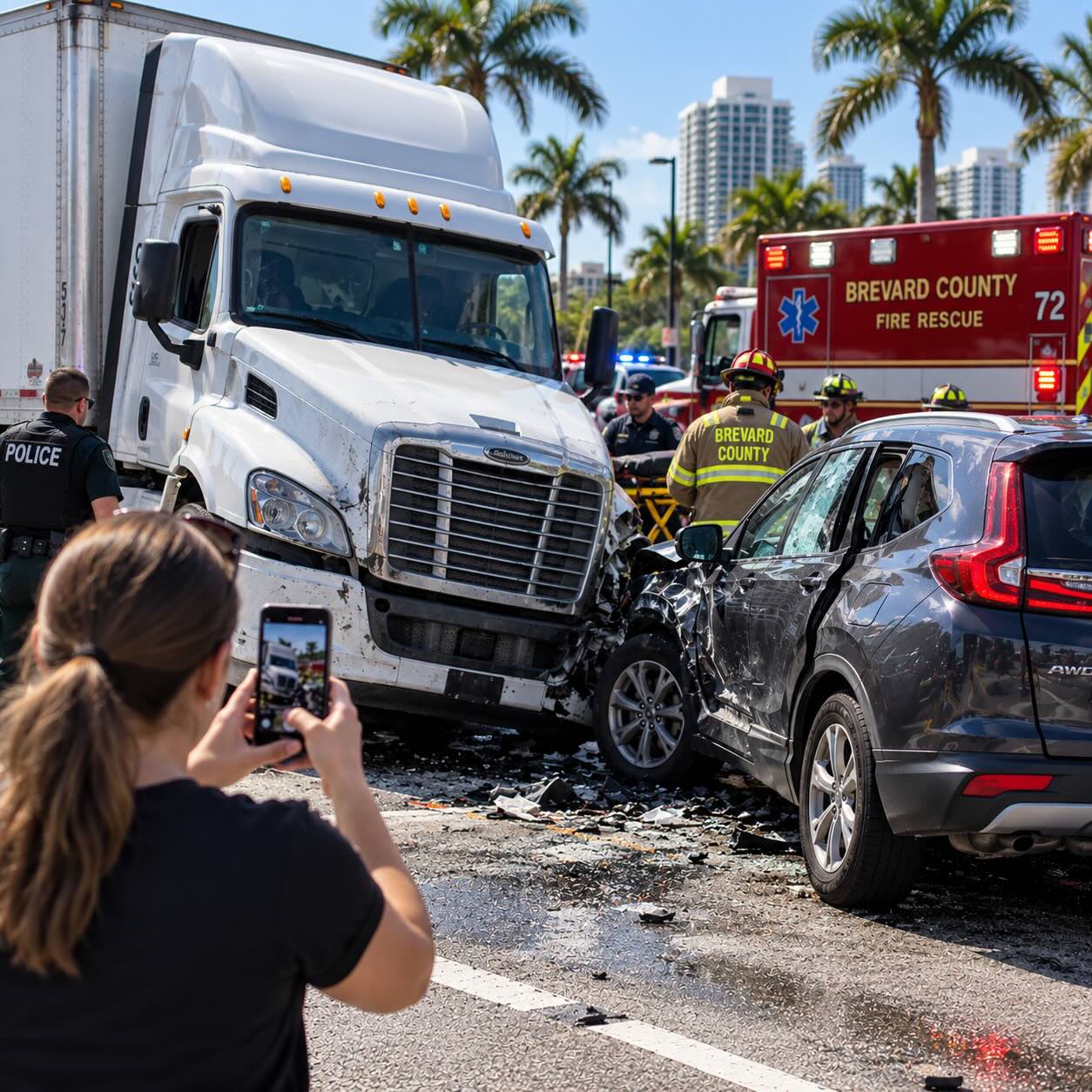
Understand the importance of evidence in truck accident claims, what records may help establish liability, and why preserving evidence quickly matters.
Evidence can determine what really happened in a commercial truck crash, who may be responsible, and the damages an injured person may be able to recover.
The importance of evidence in truck accident claims is especially significant because the trucking company or other parties may control much of the information needed to investigate a crash. Electronic data, driver records, maintenance documents, video footage, and other evidence can uncover factors not immediately apparent at the crash scene.
Knowing what evidence to look for and taking steps to preserve it early can be critical to building a strong truck accident claim.
What Evidence Is Needed for a Truck Accident Claim?
The evidence needed depends on how the crash occurred and the type of commercial vehicle involved. A truck accident investigation often involves much more evidence than what is collected at the crash scene.
Depending on the circumstances, important evidence can include:
- Police reports and crash scene photographs
- Witness statements and contact information
- Electronic Logging Device (ELD) and Hours of Service records
- GPS, telematics, and electronic vehicle data
- Dash camera footage
- Driver qualification and training records
- Inspection, maintenance, and repair records
- Dispatch communications
- Cargo and loading documentation
- Cell phone records
- Company safety policies and procedures
- Medical records documenting injuries and treatment
Each piece of evidence can help answer a different question about the crash, from what the driver was doing immediately beforehand to whether the truck was properly maintained.
Electronic Data Can Help Show What Happened
Commercial trucks can generate electronic information that provides important details about their operation.
Depending on the vehicle and equipment involved, electronic data may show speed, braking, vehicle movement, driving time, location, or other activity leading up to a crash. GPS and telematics records may also help establish where a truck traveled, while ELD records can provide information about a driver’s Hours of Service.
Dash cameras, traffic cameras, surveillance footage, and other video evidence may provide an even clearer picture of how the collision occurred.
An experienced truck accident attorney should know which electronic evidence may exist and how it could relate to the circumstances of the crash.
Driver and Company Records May Reveal Safety Problems
Evidence from before the crash can be just as important as information about the collision itself.
Driver qualification and training records may reveal whether a driver was properly qualified for the job. Inspection and maintenance records can help determine whether mechanical problems were identified and addressed.
Dispatch records and company policies may provide additional information about how the driver and truck were being managed.
Together, these records may reveal whether a crash resulted from an isolated driving mistake or was connected to broader safety failures.
Evidence Can Identify More Than One Responsible Party
Evidence can also help determine whether responsibility extends beyond the truck driver.
Maintenance records could point to a repair provider. Cargo records may raise questions about how a trailer was loaded or secured. Company documents could reveal problems with hiring, training, supervision, or safety practices.
Identifying all potentially responsible parties is especially important in serious truck accident claims because liability and available insurance coverage may involve more than one individual or company.
Why Evidence Should Be Preserved Quickly
Trucking companies and their insurers may begin investigating serious crashes almost immediately. They often have direct access to the truck, driver, electronic data, company records, and other information that an injured person does not.
Some evidence can also become unavailable over time. Vehicles may be repaired, electronic data may be overwritten, and records may eventually be discarded according to retention schedules. A truck accident attorney can send a preservation letter identifying evidence that should be retained. Knowing what to request matters because the relevant evidence can vary widely depending on the truck, cargo, driver, company, and circumstances surrounding the crash.
The sooner you identify and preserve that evidence, the better your opportunity to determine what actually happened.
Frequently Asked Questions
What should I save after a truck accident?
Keep any photos, videos, witness information, medical records, repair estimates, receipts, and communications with insurance companies. Avoid deleting texts, photos, or other information related to the crash.
Can evidence from a trucking company prove negligence?
It can. Driver records, maintenance history, electronic data, dispatch communications, and company safety records may help show whether a driver or trucking company failed to follow applicable safety requirements.
What happens if important truck accident evidence is lost or destroyed?
The effect depends on the circumstances, including what evidence was lost and whether a party had a duty to preserve it. Preserving potentially important evidence early can help prevent these issues from affecting a claim.
Protect Critical Evidence After a Truck Accident
Trucking companies and insurers often begin protecting their interests immediately after a serious crash. The evidence they control may ultimately help establish how the accident happened and who should be held responsible.
Florida Truck Attorneys focuses exclusively on commercial truck crash cases. Our team understands the importance of evidence in truck accident claims and how to investigate trucking companies and other involved parties.
If you or someone you love has been injured in a commercial truck accident, contact us today for a free consultation. There are no upfront fees, and you pay nothing unless we recover compensation for you.